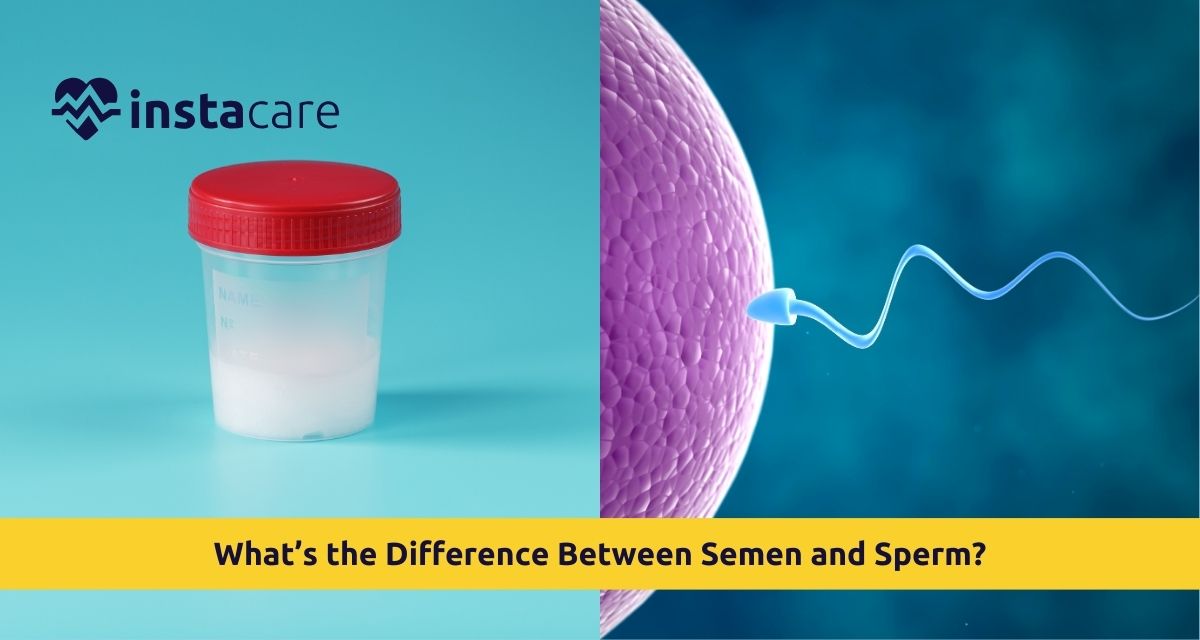
Semen and sperm are two terms used interchangeably although they are not synonymous. This is important to understand the distinction between semen and sperm in order to discuss reproductive health, fertility and medical terms. Although both are important in the reproduction of male sex, they do not perform similar biological functions. This paper describes the difference between semen and sperm, their interaction, and the significance of both in fertility and general reproductive functions.
What Is Sperm?
Sperms are tiny male reproductive cells that fertilize a female egg. Testes form them in a highly intricate biological pathway and they cannot occur naturally without conception.
The most important features of Sperm.
The sperm cells have a certain structure aimed at motion and fertilization:
- Head: This has in it genetic material (DNA).
- Midpiece: Full of mitochondria to give power.
- Tail (flagellum): Helps in motion towards the egg.
The main role of the sperm cells in semen is to provide the female egg with male genetic material during fertilization. Sperm cannot be taken long out of the reproductive tract without a friendly environment.
What Is Semen?
The fluid that takes the sperm out of the male body during ejaculation is known as semen. It is secreted by a number of glands in the male reproductive system, such as the seminal vesicles, prostate gland and the bulbourethral glands.
Semen Composition
Semen composition includes:
- Sperm cells (minors of total volume)
- Fructose to provide energy
- Enzymes to aid the movement of sperm.
- Use of alkaline fluids to shield sperms against acidic conditions.
- Nutrients and proteins to help sperm survive.
Sperm is an important part of the body that requires semen and fertility because transportation and protection of sperm through semen is necessary.
Key Differences Between Sperm And Semen
There is a biological difference between semen and sperm even though they are related.
semen vs sperm: Fundamental Distinctions
- Sperm are single cells of reproduction.
- Sperm is contained and transported in the fluid known as semen.
- In the testes, sperm are produced.
- Accessory glands are involved in semen production in males.
- Sperm have genetic content.
- Nourishment, defense, and locomotion are offered by the semen.
Simply put, the sperm cells embedded within the semen depend on the fluid surrounding in order to survive and perform well.
Role Of Semen In Sperm Survival
Semen enables a protective and nutritional environment to sustain the sperm to travel through the female reproductive tract. Significant sperm function are:
- De-acidification of the vagina.
- Energy provision by means of fructose.
- Enhancing sperm motility
- Stopping the damage of sperm beforehand.
In the absence of semen, the sperm would be destroyed without a long time, and an abortion would occur.
Read More: How To Know If Sperm Went Inside?
How Long Can Sperm Live In Semen?
The longevity of sperms is determined by the environment they exist.
Sperm Survival Time
- Within the female reproductive tract: a maximum of 5 days.
- Extraintestine (semens): minutes to hours.
- Frozen (cryopreserved): years in favorable conditions.
Sperm are killed quickly as soon as the semen dries. This serves to emphasize the role of the quality of semen in terms of the number of sperm and fertility.
How Lifestyle Impacts Semen And Sperm Health
The quality of sperms and semen volume and quality affect a lot depending on lifestyle choices. Influencing Factors on Reproductive Health.
- Smoking and alcohol use.
- Inequality in nutrition and deficiency.
- Physical activity and obesity.
- Sleep deprivation and chronic stress.
- Exposure to toxins and heat
The healthy practices help in the sperm production process and enhancing the parameters of the semen such as concentration, motility and morphology.
Importance Of Semen Ph And Consistency
The pH of semen and its texture have a significant role to play in fertility. Normal semen is moderately alkaline and this aids in protecting sperm in the acid vaginal environment.
Normal Semen Characteristics.
- pH between 7.2 and 8.0
- Initially thick, but then liquefies in 15-30 minutes.
- Whitish or grayish color
Perturbed pH or consistency can be indicative of infection, gland malfunction, or hormonal imbalance, and this could interfere with the outcome of semen analysis test.
When To See A Doctor About Semen Or Sperm Issues?
Medical assessment should be taken in case of continued anxiety about fertility or ejaculation. Warning Signs Include
- Inability to conceive in one year.
- Low semen volume
- Abnormal semen color or odor
- Erectile or ejaculation dysfunctions.
- Testicular pains or swellings.
The test of a semen analysis is commonly used to examine the number of sperm, their motility, morphology, and the quality of the semen in general.
Conclusion
It is essential to know the difference between semen and sperm in order to take care of male reproductive health. Although it is the cells that undergo fertilization which are sperm, semen is the essential fluid that grants them support, protection, and transportation. The combination of the two is essential in fertility and conception. Knowledge of the difference between semen and sperm, lifestyle and health may enable people to make informed choices and access medical attention when necessary.
Please book an appointment with the Best Urologist in Lahore, Karachi, Islamabad, and all major cities of Pakistan through InstaCare, or call our helpline at 03171777509 to find the verified doctor for your disease.