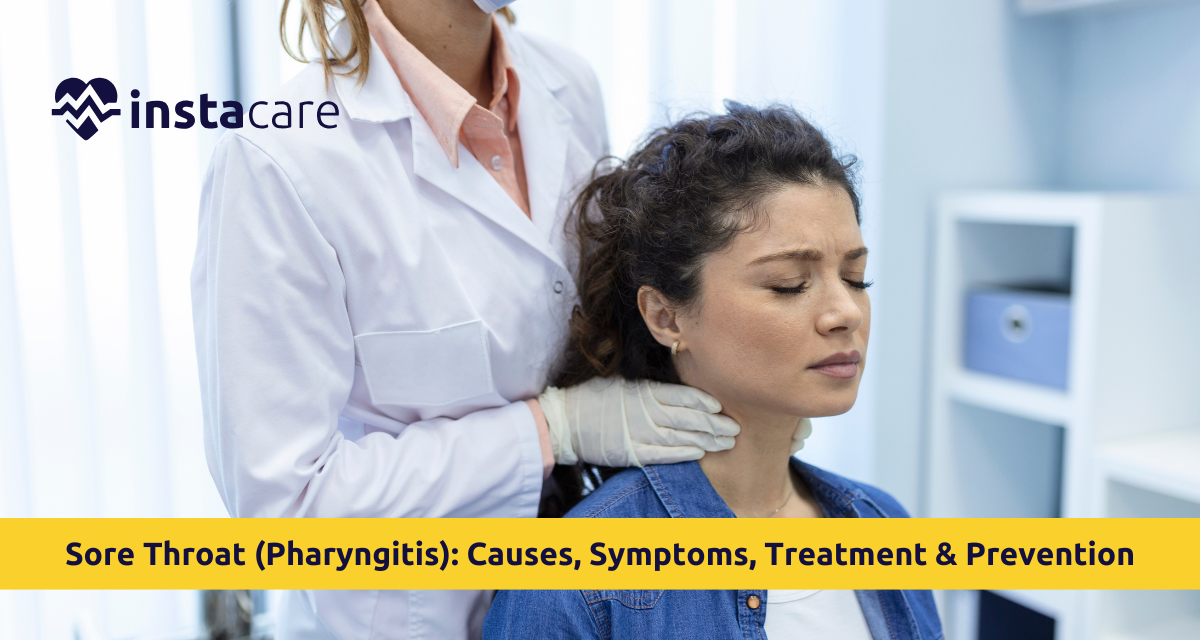
Even though most cases of sore throat do not require medical care as they are self-limiting, others require the attention of medical care especially in cases of bacterial infections such as in strep throat. It is possible to learn how to treat sore throat, what the symptoms of pharyngitis are, and what treatment options there are, thereby being able to cope with the state and prevent complications.
What Is Pharyngitis?
Pharyngitis is the inflammation of the pharynx, which is that part of the throat that is located behind the tonsils and is seen to be situated in between the voice box and the tonsils. Once this section of the throat is inflamed, it causes discomfort, as well as difficulty in swallowing and irritation. Pharyngitis may be of two types, including bacterial throat infection and viral pharyngitis.
The most typical cause is viral infections which are mild and where bacterial infections like strep throat can be treated using antibiotics. It is a condition that is not age specific and is more prevalent in cold and flu seasons when the infection is easily transmitted.
Common Causes of Sore Throat
Sore throat may also have multiple sources that could be both infection-related and environment-related.
1. Viral Infections
Most of the sore throat cases are caused by viruses. These include:
Common cold viruses
- Influenza (flu)
- COVID-19
- Mononucleosis
- Other respiratory viruses
The infection is known as viral pharyngitis and normally self-improves in the space of a few days in absence of antibiotics.
2. Bacterial Infections
Some bacteria may result in serious infections of the throat. The most popular one is Streptococcus bacteria resulting in the Strep throat symptoms.
Symptoms of bacterial throat infection are likely to be common and include:
- Severe throat pain
- Fever
- White patches on tonsils
- Swollen lymph nodes
3. Allergies
Seasonal allergies may also be a problem to the throat because of post-nasal drip and inflammation.
4. Environmental Factors
Throat irritation may be caused by dry air, pollution, smoke, and contact with chemicals, which may lead to soreness.
5. Excessive Voice Use
Screaming, singing loudly or speaking over a long time can put pressure on the muscles of the throat and irritate.
Symptoms of Pharyngitis
Pharyngitis symptoms can be different according to the cause and the severity of the disease.
- Common symptoms include:
- Sensation of pain or scratching in throat.
- Difficulty swallowing
- Dry or irritated throat
- Swollen glands in the neck
- Redness in the throat
- Fever or chills
- Headache or body aches
Other symptoms would be manifested based on the infections being viral or bacterial.
The symptoms related to viral infections can be:
- Runny nose
- Cough
- Sneezing
- Fatigue
The bacteria throat infection can manifest itself through the following symptoms:
- High fever
- Pale tonsils with white spots.
- Tender lymph nodes
- Sudden onset throat pain
Read More: How To Get Rid of My Itchy Throat?
Viral vs. Bacterial Sore Throat
It is also crucial to be able to distinguish between viral pharyngitis and bacterial throat infection to treat them correctly.
Viral Pharyngitis
Most common type
- Caused by cold or flu viruses
- Mild in nature and normally self-limiting.
- Antibiotics are not needed
Bacterial Pharyngitis
- Less common but more severe
- Frequently brought about by streptococcus.
- Needs antibiotics prescribed by a physician.
- Has the potential to be complicated.
Physicians can also make a throat swab test in order to ascertain whether the infection is bacterial or viral.
When to See a Doctor?
Sore throats without any medical attention might heal in a matter of few days, although medical attention and treatment may be required in some cases.
You are supposed to see a physician in case of:
- Throat pain of more than 3-4 days of severity.
- High fever
- Breathing and swallowing problems.
- Swelling in the neck
- White patches on the tonsils
- Persistent hoarseness
People who are already weakened in their immunity, children and the elderly should consult the doctor earlier should their symptoms seem severe.
Treatment Options of Pharyngitis
Pharyngitis is treated depending on its etiology. Occasionally mild cases can be handled at home, whereas the bacterial infections can be handled with medication.
Home Remedies
The discomfort in the throat can be cured by many simple cures:
- Take warm liquids like herbal tea or soup.
- Gargle with warm salt water
- Use throat lozenges
- Stay hydrated
- Rest your voice
Medications
- medications could be required in certain instances.
- The pain and fever can be reduced with the help of pain relievers like ibuprofen or acetaminophen.
- Bacterial throat infection such as strep throat may be treated using antibiotics.
- In case it is caused by allergies, the antihistamines can help.
Antibiotics should not be self-administered since they are not effective against viruses.
Prevention Tips of Pharyngitis
The prevention of throat infections implies the maintenance of good hygiene and immune system development.
Prevention tips that can help would involve:
- Wash hands regularly
- Do not have close contacts with infected people.
- Do not share dishes or beverages.
- Maintain good hydration
- Avoid second hand smoking and smoking.
- Enhance healthy immunity through good food and sleep.
The habit would help eliminate the chances of both the bacterial throat infection and viral pharyngitis.
Possible Complications
Most sore throats are mild, but unattended infections (particularly bacterial), may result in complications.
The potential complications are:
- Tonsillitis
- Ear infections
- Sinus infections
- Rheumatic fever
- Kidney inflammation
These complications can be greatly prevented by early diagnosis and appropriate treatment.
Conclusion
Pharyngitis or sore throat is a common disease that could be caused by the threat of infection of the throat by viruses, bacteria, allergies, or environmental factors. Pharyngitis can be handled through the detection of the symptoms and awareness of the causes of sore throat.
Most of the cases can be managed using rest and home remedies but it is the supposed duty of the physician to check chronic or tough symptoms. Threats such as poor hygiene and lack of hydration and exposure to irritants can be used to reduce the risk of future development of throat infections.
Please book an appointment with the best ENT Specialist in Lahore, Karachi, Islamabad, and all major cities of Pakistan through InstaCare, or call our helpline at 03171777509 to find a verified doctor for your disease.